

The festival wrapped up its fifth edition after ten days of experiences celebrating Saudi cuisine and heritage
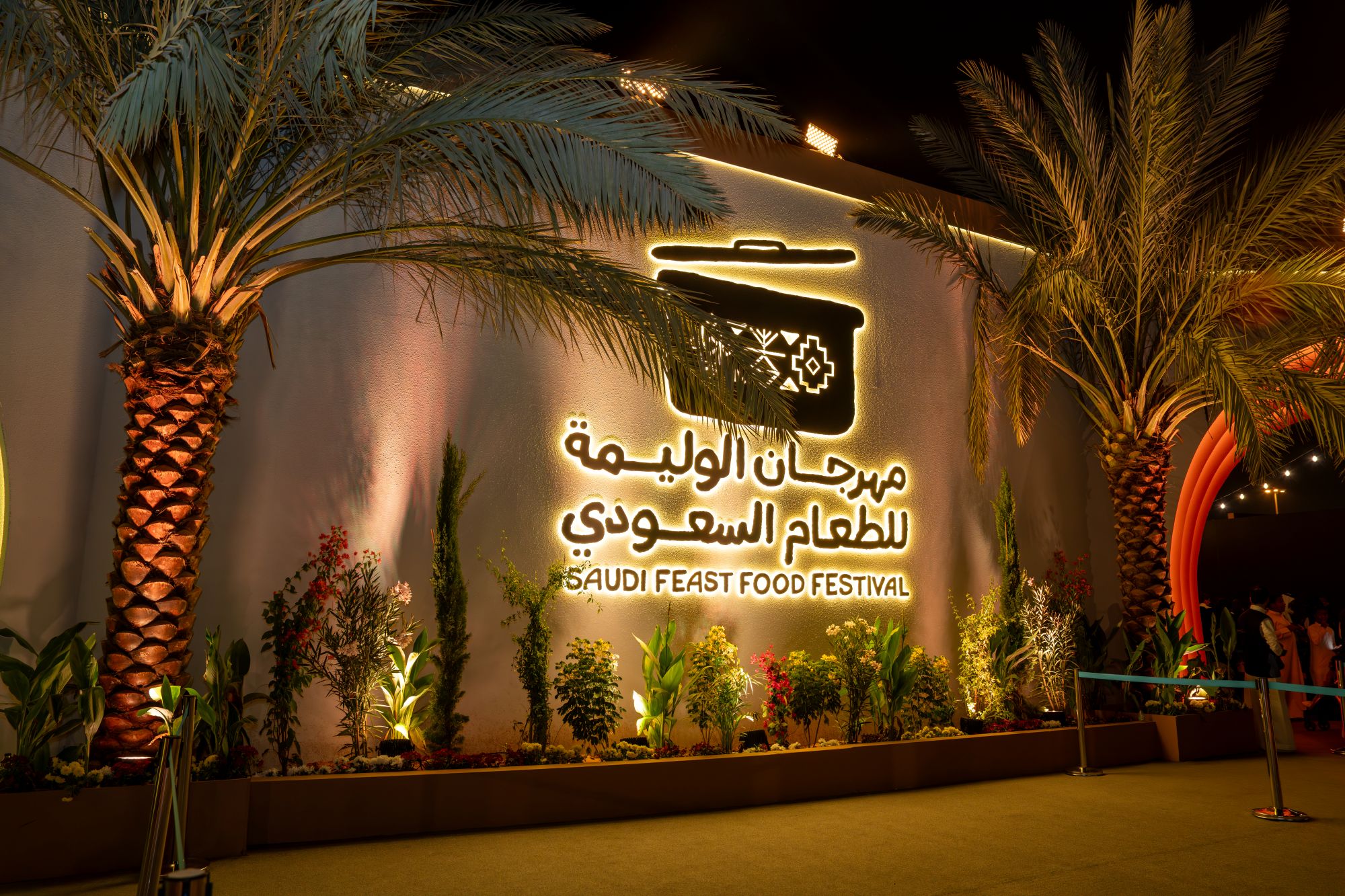
Saudi Feast Food Festival

Successful Edition of Saudi Feast Festival Concludes with Strong Thai Presence
A major highlight of the festival was the Heritage and Culinary Arts Zone, featuring 13 stations representing different regions of the Kingdom. Each station presented traditional dishes that express the identity of its region. The area drew strong attendance from day one, with visitors describing it as a “journey into the memory of Saudi flavors,” blending authentic tastes with traditional preparation methods demonstrated live in a setting reminiscent of old Saudi homes.
Children had their own dedicated space in the Kids’ Corner, an interactive area that combined hands-on learning with fun through cooking workshops and practical activities designed to build their skills and reinforce their connection to local food traditions. The Kids’ Maze added a physical element that encouraged focus and problem-solving in an engaging way.
Throughout the festival, visitors also gravitated toward the accompanying heritage markets, which showcased a wide range of local products including Saudi honey, baked goods, olive oil, spices, dairy products, natural perfumes, and Taif rose items.
This edition also stood out for its strong international presence, led by the Thai pavilion, which featured 17 cooking stations offering well-known Thai dishes and highlighting the country’s diverse culinary culture. The pavilion drew large crowds eager to sample the food and purchase products, in addition to attending live workshops led by Thai chefs demonstrating traditional cooking techniques.
The festival hosted the first annual Chefs’ Gathering, bringing together chefs and culinary enthusiasts. The Culinary Arts Commission showcased its initiatives aimed at strengthening the sector and developing talent, and introduced the Saudi Chefs Council, which seeks to build professional connections among chefs and enhance their presence locally and globally.
The festival’s identity this year was further enriched by hosting the Gourmand International Awards, which brought together food cultures from more than 80 countries in a global event celebrating the best culinary books and specialized programs, expanding opportunities for cultural exchange through the art of cuisine.
Another distinctive feature was the Interactive Honey Museum, offering a unique exploration of the world of Saudi honey. Live workshops allowed visitors to create honey-based products such as natural exfoliants, organic soaps, and candles. Guests sampled different types of honey and learned about their nutritional and therapeutic value, while interactive displays traced the history of honey production and the regions known for it in the Kingdom. The Commission emphasized that the festival continues to establish itself as the largest of its kind in the Middle East, a key platform for celebrating Saudi flavors globally, and a driver for strengthening national identity and advancing the culinary sector as one of the Kingdom’s promising industries.
Anas MHD
Benchmark.
email us here
Legal Disclaimer:
EIN Presswire provides this news content "as is" without warranty of any kind. We do not accept any responsibility or liability for the accuracy, content, images, videos, licenses, completeness, legality, or reliability of the information contained in this article. If you have any complaints or copyright issues related to this article, kindly contact the author above.
