

Frozen Foods Market to Hit US$450.3Bn by 2033 on Convenience Demand at 5.4% CAGR
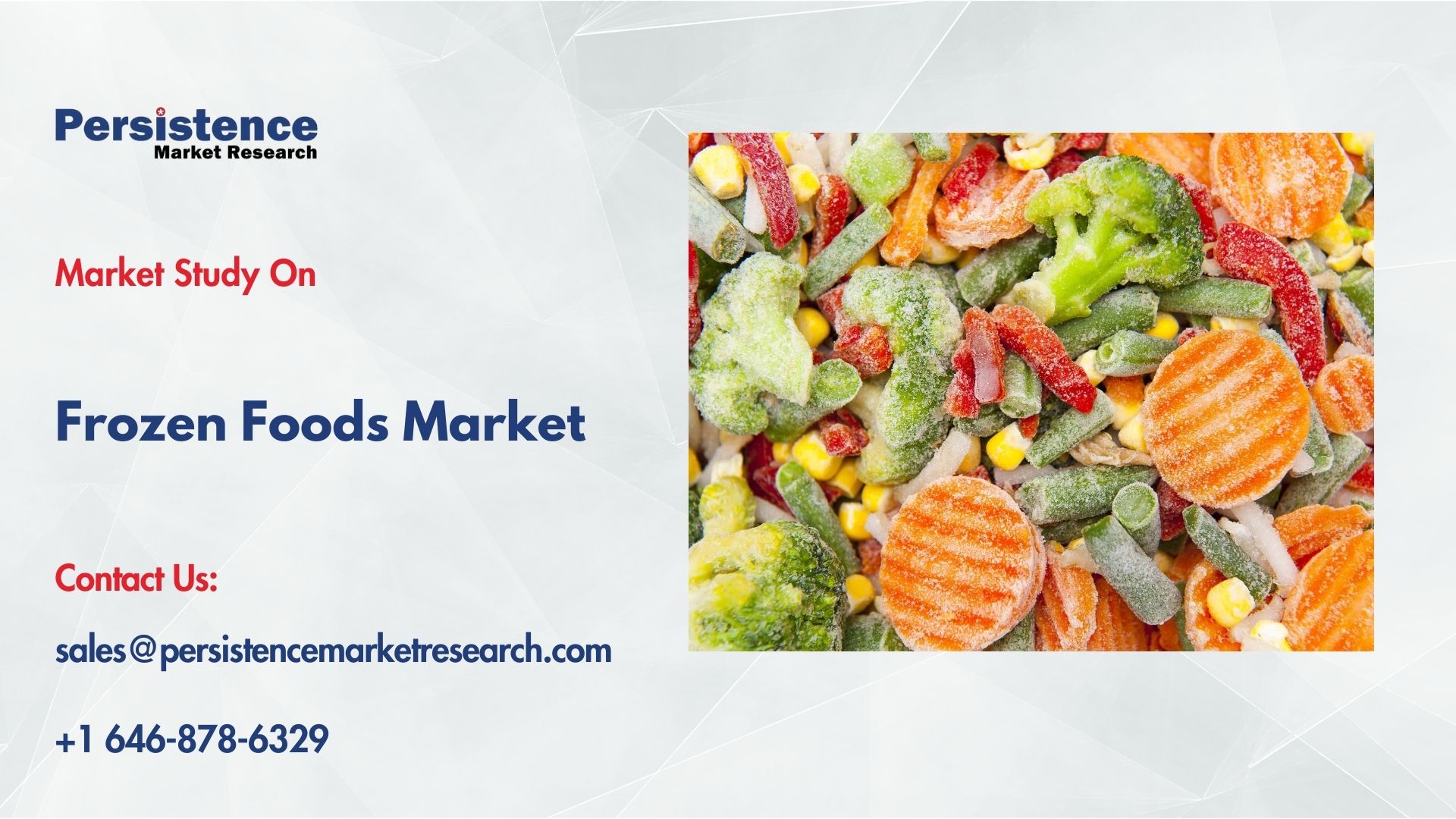
The frozen foods market is set to grow from US$311.6 Bn in 2026 to US$450.3 Bn by 2033, driven by convenience, innovation, and a 5.4% CAGR
BRENTFORD, ENGLAND, UNITED KINGDOM, March 1, 2026 /EINPresswire.com/ -- The global frozen foods market is poised for substantial expansion over the coming years, reflecting shifting consumer lifestyles, rapid urbanization, and growing demand for convenient meal solutions. The market is likely to be valued at US$ 311.6 billion in 2026 and is projected to reach US$ 450.3 billion by 2033, registering a robust compound annual growth rate (CAGR) of 5.4% during the forecast period from 2026 to 2033. This consistent growth trajectory underscores the rising preference for ready-to-cook and ready-to-eat products across both developed and emerging economies.
The growth of the frozen foods industry is primarily driven by increasing workforce participation, particularly among women, leading to greater demand for time-saving food options. Urbanization, expanding retail infrastructure, and advancements in cold chain logistics are further strengthening market dynamics. Additionally, improvements in freezing technologies such as Individual Quick Freezing (IQF) are enhancing product quality, texture, and nutritional retention, thereby increasing consumer confidence in frozen offerings. The expansion of organized retail and e-commerce grocery platforms is also playing a critical role in expanding market reach.
Rising disposable incomes, coupled with greater exposure to international cuisines, have led to higher consumption of frozen ready meals, snacks, seafood, meat products, and bakery items. Health-conscious consumers are increasingly seeking frozen fruits and vegetables as convenient alternatives to fresh produce, further diversifying product demand.
Get Your FREE Sample Report Instantly – Click Now: https://www.persistencemarketresearch.com/samples/3374
Segmentation Analysis
By Product Type
• Fruits & Vegetables
• Dairy Products
• Ready Meals
• Meat & Seafood
• Bakery & Confectionery
• Snacks and Appetizers
By Nature
• Raw
• Half Cooked
• Ready to Eat
By Distribution Channel
• B2B
• B2C
o Hypermarkets/Supermarkets
o Convenience Stores
o Specialty Stores
o Online Retail
o Others
Need Tailored Insights? Request Customization Now: https://www.persistencemarketresearch.com/request-customization/3374
Regional Insights
North America holds a leading position in the global frozen foods market, supported by high consumer acceptance, advanced cold chain infrastructure, and strong retail networks. The region benefits from established consumption patterns of frozen meals, pizza, snacks, and meat products. Technological advancements in freezing processes and packaging further enhance product quality and shelf life.
Europe represents another major market, characterized by high demand for frozen bakery products, seafood, and ready meals. Strict food safety regulations and sustainability initiatives are shaping product innovation and packaging strategies across the region. The increasing popularity of organic and clean-label frozen products is further contributing to market growth.
Asia-Pacific is projected to be the fastest-growing regional market during the forecast period. Rapid urbanization, increasing middle-class population, rising disposable income, and expanding modern retail infrastructure are key factors driving growth. The region is witnessing growing adoption of Western dietary patterns alongside strong demand for locally inspired frozen meals. Investments in cold storage facilities and government initiatives supporting food processing industries are accelerating market expansion.
Latin America and the Middle East & Africa are also experiencing gradual growth, supported by improving retail penetration and increasing consumer awareness regarding food preservation and convenience. As infrastructure improves, these regions are expected to contribute more significantly to overall global revenue.
Unique Features and Innovations in the Market
Technological innovation remains central to the evolution of the frozen foods market. Modern freezing techniques such as IQF, cryogenic freezing, and blast freezing are enhancing product texture, flavor retention, and nutritional value. These advancements minimize ice crystal formation and preserve product integrity, making frozen foods increasingly comparable to fresh alternatives.
Digital transformation is also influencing the market landscape. Artificial intelligence (AI) and data analytics are being utilized to forecast demand, optimize inventory management, and reduce food waste. Internet of Things (IoT)-enabled cold chain monitoring systems provide real-time tracking of temperature conditions throughout transportation and storage, ensuring food safety compliance.
Automation and robotics are increasingly deployed in processing facilities to enhance efficiency and maintain hygiene standards. Smart packaging solutions incorporating QR codes allow consumers to access product origin information, cooking instructions, and nutritional details. While 5G connectivity is not directly tied to product freezing, improved network infrastructure supports real-time logistics tracking, faster e-commerce transactions, and supply chain transparency.
Market Highlights
The primary drivers of frozen foods adoption include convenience, extended shelf life, cost efficiency, and consistent quality. Consumers are increasingly embracing frozen options as reliable meal solutions that minimize preparation time without compromising taste or nutrition. The ability to store products for longer periods also reduces food waste and improves household budgeting.
Regulatory frameworks governing food safety, labeling, and storage standards play a significant role in shaping industry operations. Compliance with international safety standards enhances consumer trust and facilitates cross-border trade. Sustainability considerations are also influencing market dynamics, with companies focusing on eco-friendly packaging materials and energy-efficient refrigeration technologies.
Cost optimization through advanced logistics, automation, and economies of scale is enabling manufacturers to offer competitively priced products. Furthermore, the growing trend of plant-based and health-focused frozen meals is expanding consumer demographics, creating opportunities for premiumization and product differentiation.
Secure Your Full Report – Proceed to Checkout: https://www.persistencemarketresearch.com/checkout/3374
Key Players and Competitive Landscape
• Nestlé
• Cargill, Incorporated
• Unilever
• Associated British Foods plc
• Grupo Bimbo
• Tyson Foods, Inc.
• General Mills, Inc.
• Hormel Foods Corporation
• Conagra Brands, Inc.
• Ajinomoto Co., Inc.
• ITC Limited
• McCain Foods Limited
• Del Monte Foods, Inc.
• Others
Looking ahead, the frozen foods market is expected to benefit from ongoing technological innovation, rising consumer demand for convenience, and expanding global trade networks. The integration of AI-driven supply chain management, smart packaging, and sustainable production practices will likely define the next phase of market evolution. Regulatory advancements supporting food safety and sustainability will further reinforce structured growth and long-term industry stability.
Overall, the global frozen foods market is positioned for sustained expansion through 2033, driven by evolving consumer lifestyles, product diversification, and technological progress across the value chain.
Explore the Latest Trending Research Reports:
Pregelatinized Wheat Flour Market
Organic Dry Pulses Market
Aishwarya Doiphode
Persistence Market Research
+1 646-878-6329
email us here
Visit us on social media:
LinkedIn
Instagram
YouTube
X
Legal Disclaimer:
EIN Presswire provides this news content "as is" without warranty of any kind. We do not accept any responsibility or liability for the accuracy, content, images, videos, licenses, completeness, legality, or reliability of the information contained in this article. If you have any complaints or copyright issues related to this article, kindly contact the author above.
