

White Paper Soup Bowl Supply for Takeaway Brands with PE/PLA Coating Support from LvSheng

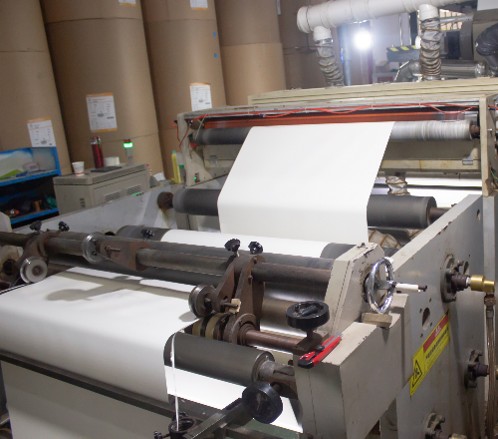
Established in 2004, Xiamen LvSheng Paper & Plastic Products Co., Ltd. supports foodservice operators by manufacturing packaging designed specifically for challenging menu items. Rather than treating soup bowls as generic commodities, the company approaches them as engineered systems requiring precise barrier coatings, accurate forming, and rigorous quality control. This systematic approach ensures that takeaway brands can confidently serve hot, oil-heavy, or moisture-rich foods while meeting the expectations of modern consumers who demand flawless delivery experiences.
White Paper Soup Bowl Requirements for Takeaway Brands
Takeaway environments place extraordinary stress on paper packaging. Unlike cold beverages or dry foods, hot soups and stews introduce high temperatures, prolonged moisture exposure, and active fats that immediately test a container's structural limits. A standard paper bowl without the correct barrier technology will quickly soften, deform, or leak, compromising the delivery experience and damaging the restaurant's reputation before the meal even begins.
Addressing these challenges requires a supply partner that understands the specific mechanics of liquid packaging. The white paper soup bowls produced by Xiamen LvSheng Paper & Plastic Products Co., Ltd. are constructed using food-grade materials engineered to resist the aggressive nature of hot takeaway items. By controlling the material specification from the base paper to the final protective layer, the manufacturer ensures that the bowl retains its shape and insulating properties from the commercial kitchen to the customer's home, eliminating the risk of structural failure during transit.
Defining Bowl Size, Fill Temperature, Holding Time, and Transport Conditions
Successful packaging procurement begins with aligning the container's specifications to the reality of the menu. Buyers must evaluate the exact volume requirements, the initial fill temperature of the liquid, the anticipated holding time during delivery, and the physical stresses of transport. A bowl designed for a quick-service side dish may not possess the thermal mass or structural rigidity required for a heavy, large-portion noodle soup traversing a complex delivery route across a busy city.
Procurement teams must define these parameters clearly when sourcing containers. By specifying the exact use case, buyers enable the manufacturer to recommend the optimal bowl architecture. This detailed specification process ensures that the chosen container provides adequate headspace to prevent spills, maintains a comfortable exterior temperature for handling, and withstands the stacking pressure typical of multi-item delivery bags. Comprehensive planning at this stage prevents costly packaging failures and ensures consistent performance across diverse menu offerings.
Comparing PE and PLA Coating Paths
The internal barrier coating is the most critical component of a paper soup bowl, acting as the primary defense against moisture and grease penetration. Traditionally, polyethylene has served as the industry standard for this application. PE coating delivers robust, consistent resistance to hot liquids and oils, making it a highly reliable choice for demanding takeaway menus where structural integrity is paramount and the risk of leakage must be entirely eliminated.
For brands pursuing specific environmental or end-of-life disposal strategies, polylactic acid provides an alternative barrier path. PLA-lined bowls offer similar functional protection while aligning with different sustainability frameworks and material sourcing policies. However, buyers must carefully match the selected coating to their operational realities, considering factors such as regional disposal infrastructure, municipal composting capabilities, and the specific heat-resistance requirements of their menu items. Both PE and PLA options require precise application during manufacturing to ensure continuous coverage and total leak prevention.
Grease Resistance, Water Resistance, and Leak Control Checks
Manufacturing a functional soup bowl demands more than just applying a coating; it requires rigorous in-line quality control to verify the barrier's performance. Grease resistance and water repellence are non-negotiable attributes for takeaway soup containers. Even a microscopic flaw in the coating application or a slight misalignment in the bottom seal can result in a catastrophic failure during transport, leading to unacceptable customer complaints and operational disruptions.
To mitigate these risks, LvSheng implements stringent testing protocols throughout the production cycle. Factory operations include continuous monitoring of the forming machines and dedicated waterproof testing to confirm the integrity of every batch before it leaves the facility. By verifying that the seams and coatings meet exact performance thresholds, the manufacturer provides buyers with the assurance that their containers will perform reliably under the stress of hot, oil-heavy contents, maintaining safety and hygiene standards.
Lid Compatibility and Takeaway Transport Performance
A high-performance soup bowl is only effective if it functions flawlessly with its corresponding lid. The interface between the bowl's rim and the lid's closure mechanism dictates the system's ability to retain heat and prevent spills during chaotic delivery routes. Poor lid compatibility leads to pop-offs, leaks, and a frustrating customer experience, regardless of how well the paper bowl itself is constructed or coated.
Ensuring this compatibility requires precise dimensional inspection during the manufacturing process. The rim of the paper bowl must be formed with exact tolerances to create a secure, snap-fit seal with the lid, whether the lid is constructed from paper or plastic materials. Buyers should approach the bowl and lid as a unified packaging system, verifying that the components are engineered to work together seamlessly. This coordinated approach to specifications is essential for maintaining product safety and presentation during transit.
Printing and Packaging Requirements for Branded Soup Bowl Programs
Beyond functional performance, takeaway packaging serves as a critical mobile branding asset. Custom printed disposable hot soup bowls offer restaurants a high-visibility platform to communicate their brand identity directly to the consumer, reinforcing marketing efforts with every delivered meal. Achieving professional, vibrant graphics on curved, coated paper surfaces requires specialized printing capabilities and precise artwork execution that aligns with the brand's visual standards.
Procurement programs must integrate these printing requirements early in the sourcing process. Buyers need to verify the manufacturer's ability to execute complex designs using food-safe, water-based inks that will not compromise the bowl's barrier properties or introduce unwanted odors. Coordinating the printing process alongside forming and coating ensures that the final product delivers both the necessary structural performance and the desired visual impact, elevating the overall consumer experience and brand perception.
A Coating Specific RFQ for LvSheng White Paper Soup Bowls
Securing the right packaging requires translating menu demands into precise manufacturing instructions. A comprehensive Request for Quotation must detail the exact bowl dimensions, the required PE or PLA coating specifications, expected fill temperatures, lid compatibility requirements, and complete custom printing parameters. Providing this level of detail eliminates ambiguity and allows the manufacturer to align production capabilities with the brand's operational needs efficiently.
By systematically addressing each specification, buyers transition from simply purchasing containers to engineering reliable packaging solutions that protect their food and their reputation. Foodservice operators and procurement teams ready to build a resilient, custom-branded soup bowl program should consolidate their requirements and contact the manufacturer directly to initiate the technical review and sampling process. Visit https://lvshengpapercup.com/ to submit a detailed RFQ and secure takeaway packaging designed for consistent performance.
Xiamen LvSheng Paper & Plastic Products Co., Ltd.
LvSheng
email us here
Visit us on social media:
LinkedIn
Facebook
YouTube
X
Legal Disclaimer:
EIN Presswire provides this news content "as is" without warranty of any kind. We do not accept any responsibility or liability for the accuracy, content, images, videos, licenses, completeness, legality, or reliability of the information contained in this article. If you have any complaints or copyright issues related to this article, kindly contact the author above.
